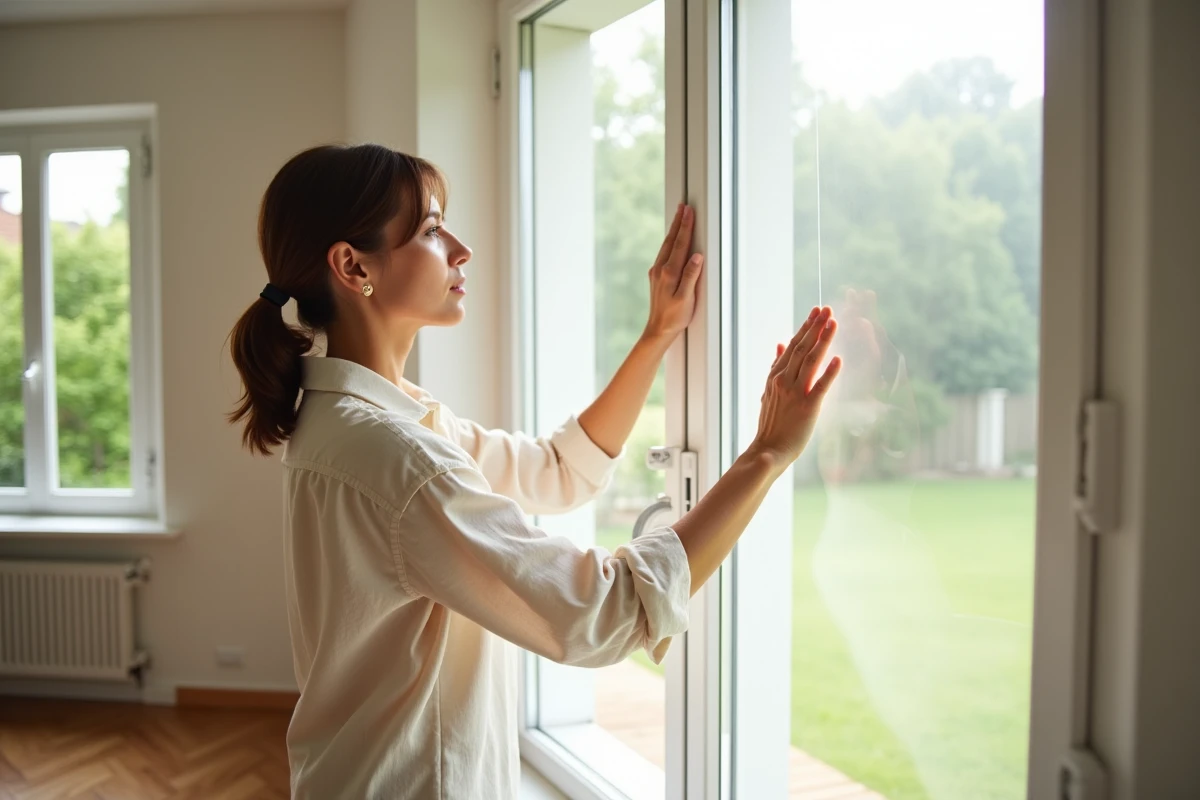
A south-facing window can turn a room into a sauna in just a few hours. The glazing allows solar radiation to enter, which heats the interior surfaces, and this heat gets trapped. Before considering air conditioning, there are practical solutions to cut off this heat entry directly at the window level.
Understanding why glazing lets heat in
Have you ever noticed that the temperature rises much faster in a glazed room than in a blind room? Standard glass transmits a large portion of solar infrared radiation. This radiation heats the floor, walls, and furniture. These surfaces then re-emit heat, but the glass prevents this heat from escaping. It’s the same principle as a greenhouse.
The solar factor of the glazing determines the amount of heat transmitted. Standard double glazing allows a significant portion of solar energy to pass through. Solar control glazing blocks a much larger fraction while still allowing visible light to pass.
The difference lies in the type of glass installed, as well as everything that is placed between the sun and that glass. To prevent heat from entering through the windows, action must be taken on both levers: the glazing itself and the accompanying protections.
Solar film on existing glazing: a quick renovation solution
Changing windows is expensive. The low-emissivity solar film represents an accessible alternative for an existing home. It is applied directly to the glazing, either on the interior or exterior side depending on the product.
These films filter a portion of infrared radiation while maintaining good natural light transmission. Manufacturers like Saint-Gobain and 3M have published experience reports since 2022-2023 showing a significant decrease in indoor temperature during heat peaks.
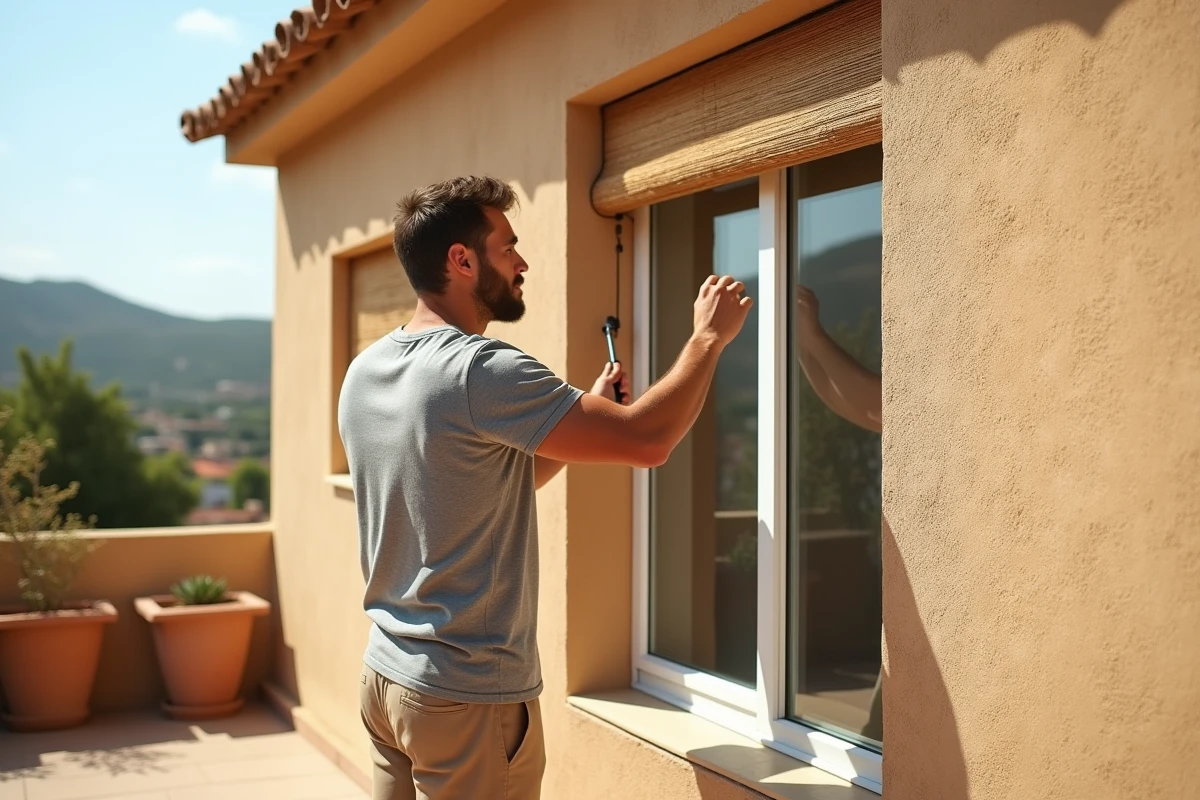
Here are a few points to check before applying a solar film:
- The orientation of the window: a solar film provides a notable gain on south and west facades, less so on north facades where direct radiation remains low
- The type of existing glazing: on double glazing with an argon gap, some films applied on the interior side can cause thermal stress on the glass and lead to breakage, check compatibility with the glazing manufacturer
- The tint of the film: the most effective films against heat are often darker, which reduces brightness, a compromise to consider depending on the room in question
A well-chosen and properly installed film can transform the comfort of an overheated room without altering the structure. This is the quickest solution to implement for an imminent summer.
Exterior solar protections: the most effective action against rays
A shade or shutter that blocks the sun before it reaches the glass will always be more effective than an interior curtain. The reason is physical: an exterior protection intercepts the radiation before it passes through the glazing. The interior curtain stops the light, but the heat is already in the room.
Exterior shades and controllable BSO
Adjustable solar screens (BSO) are among the most effective protections. Their slats tilt to block direct radiation while allowing diffuse light and a view to the outside.
Several home automation manufacturers, including Somfy and Velux, have been offering systems coupled with sunlight and temperature sensors since 2023-2024. The shade automatically closes when a heat or radiation threshold is reached, without occupant intervention. This automation significantly reduces reliance on air conditioning, especially for unoccupied homes during the day.
Roller shutters: closing at the right time
The classic roller shutter remains an underestimated ally. Closed before the sun hits the facade, it creates an air gap between it and the glazing that acts as a thermal buffer. A common mistake: closing the shutters when it’s already hot. At this stage, the heat has entered.
The best practice: close the shutters on east facades in the morning, and on south and west facades late in the morning, before the heat peak. This anticipation makes all the difference.

Solar control glazing and electrochromic glazing: sustainable options
When building or replacing windows, the choice of glazing has a direct and permanent impact on summer comfort.
The solar control glazing incorporates a treatment that reflects a portion of infrared radiation. It allows visible light to pass but blocks heat. This is a good compromise for south or west-facing glass doors.
Electrochromic glazing goes further: it automatically tints under the effect of sunlight or an electric command. Several experience reports in France and Southern Europe, published by thermal engineering offices since 2022, show a notable reduction in air conditioning needs in highly glazed rooms equipped with this technology.
Electrochromic glazing eliminates the need for exterior shutters, which may interest condominiums where the installation of BSO or shades is constrained by facade regulations. Its cost remains higher than that of standard glazing, but the RE2020 encourages builders to integrate this type of solution into new homes to limit summer overheating.
Windows and summer thermal insulation: what RE2020 changes
The environmental regulation RE2020, applicable to new constructions, introduces a summer comfort indicator. Builders must now prove that the home will not overheat, even without air conditioning.
In practical terms, this means that the choice of glazing and solar protections becomes a regulatory compliance criterion, not just optional comfort. Large south or west-facing windows must be accompanied by effective solar protections to meet the established thresholds.
For older homes, this regulation does not apply directly. But the principles remain the same: a solar film, an automated BSO, or a simple shutter closed at the right time can replicate some of these performances without heavy work. Blocking radiation before it passes through the glass remains the most cost-effective strategy, regardless of the building’s age.