The Seventh Art, Reflection of Cultural Diversity and Human Imagination, Owes Much to Its Icons: Visionary Directors, Charismatic Actors, and Audacious Screenwriters. These Emblematic Figures, With Their Works Often Considered Milestones of Cinema, Each Have a Unique Story, from Modest Origins to the Pinnacles of Glory. Exploring Their Roots and Influences Allows Us to Understand Not Only Their Rise and Style but Also the Way They Have Shaped and Continue to Influence the Film Industry. Their Journeys, Sometimes Twisted, Are Mirrors of the Era and Cultural Environments That Saw Them Grow.
The Roots and Cultural Heritage of Cinema Icons
The Cinema, This Stage Where the Dramas and Comedies of Our Societies Are Played Out and Replayed, Weaves Its Web From the Culture That Surrounds It and the History That Shapes It. Take, for Example, the Serial Killer Ed Gein, Whose Terrifying Reality Inspired Main Characters in Iconic Films such as Norman Bates in Alfred Hitchcock’s ‘Psycho’, Leatherface in ‘The Texas Chainsaw Massacre’, and Buffalo Bill in ‘The Silence of the Lambs’. These Characters, Fruits of a Culture Fascinated by the Macabre, Testify to a Narrative Tradition Where Horror Blends with Deep Psychological Analysis, Reflecting the Abysses of the Human Soul.
In a Different Register, the Comédie-Française, a Theatrical Institution of Rare Longevity Founded by Molière, Continues to Mark the World of Live Performance. Its Stages, Which Have Seen Major Works Like ‘The Marriage of Figaro’ Born, Have Influenced Not Only Theatre But Also French Cinema, Infusing That Spirit of Finesse and Social Critique That Characterizes Both the Stage and the Screen. This Institution, a Symbol of a Robust Theatrical Culture, Has Trained Generations of Actors and Authors, Contributing to the Creation of a Recognizable French Artistic Identity.
The Impact of These Cultural Roots Is Not Limited to the Past; It Perpetuates Through Time and Space. Seargeoh Stallone, Bearer of a Famous Name, Inherits a Cinematic Tradition That Has Evolved With Its Time. The Characters He Portrays, Just Like Those Influenced by the Horrors of Ed Gein or Formed on the Boards of the Comédie-Française, Are Living Proof That Cinema Nourishes Itself From Its Heritage to Build Ever More Captivating Narratives, Ever Closer to the Human Heart.
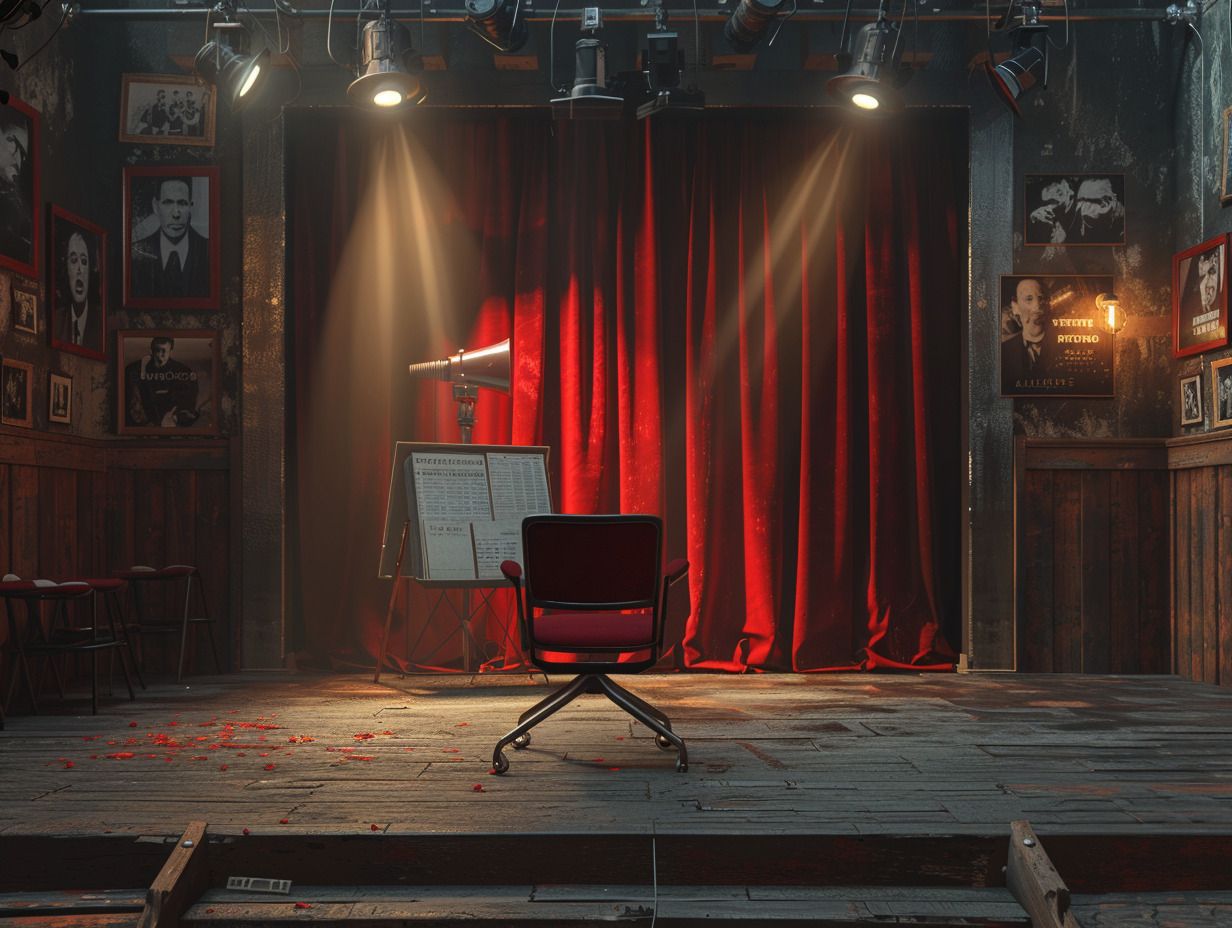
Influences and Artistic Revolutions in the Journey of Screen Legends
Cinematic Trajectories Are Often Developed in the Shadow of Tutelary Figures, of Currents of Thought That Shape the Aesthetics and Vision of Authors. In This Laboratory of Creation, Each Portrait of an Iconic Cinema Figure Reveals a Complex Weaving of Roots and Influences. Among These Figures, Cindy Sherman, a Polymorphic Artist, Embodies the Archetype of the Creator Whose Journey Is Marked by Diverse References and Decisive Turning Points.
Starting from a Training at the State University of New York at Buffalo, Where the Precepts of Painting Gradually Gave Way to Photographic Exploration, Cindy Sherman Transposed Her Learnings to the Thriving Metropolis of Manhattan. Just Like Cinema Characters Draw From the Depths of Cultural History, Sherman Appropriated the Codes of Her Time to Create a Unique Body of Work, Filled With Questions About Identity and Representation.
The Influence of Artists Such as Marcel Duchamp and Sol LeWitt on Sherman’s Aesthetics Testifies to the Osmosis Between Cinema and Other Art Forms. The Series Untitled #479, Created in 1975, Illustrates This Fusion Between Conceptual Art and Photography, Reminding Us of the Indelible Links Between Photographic Staging and Cinematic Presentation. These Hybrid Works, at the Crossroads of Artistic Paths, In Turn Influence the Way Directors Envision Their Art.
Artistic Revolutions Are Not Simple Evolutions; They Deeply Shape the Way Stories Are Told on the Canvas of the Big Screen. Sherman’s Aesthetics, Nourished by a Cultural and Artistic Upheaval, Fits Into the Long Tradition of Innovation That Characterizes the Film Industry. These Influences, Sometimes Subtle, Sometimes Determining, Inevitably Forge the Visual Language of Cinematic Works, and With It, the Collective Memory of Our Time.