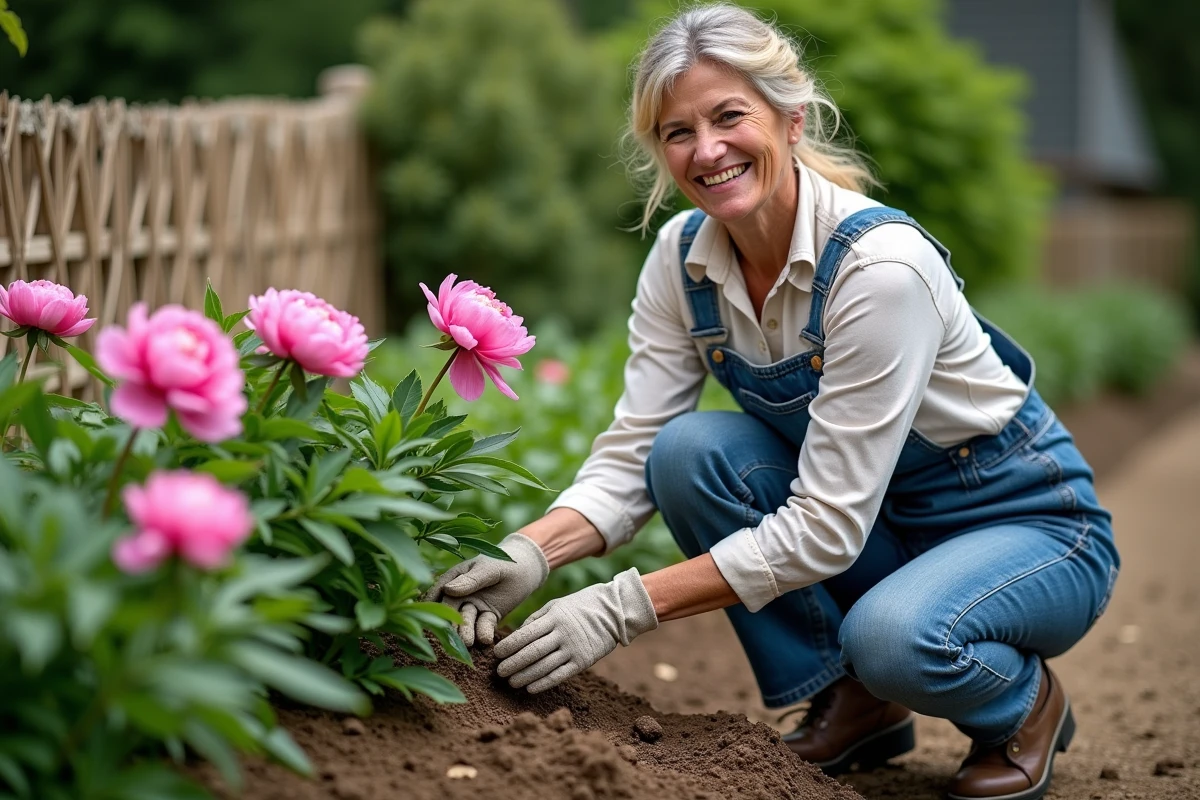
The use of natural fertilizers, long relegated to the background in favor of chemical products, is experiencing a marked resurgence in sustainable gardening practices. However, some organic compositions have specific characteristics that often escape common recommendations and can radically alter floral growth.
Why choose Lidl horse manure for vibrant peonies and an environmentally friendly garden
Composted horse manure is far from a trivial amendment. It transforms the soil, making it more pliable and alive. Its balanced content of nitrogen, phosphorus, and potassium gives it a prime position for nourishing peonies, particularly Paeonia lactiflora. Using Lidl horse manure for peonies serves a dual purpose: providing the soil with varied nutrients and stimulating the invisible inhabitants, earthworms and microorganisms, that tirelessly work to aerate the soil and make elements available.
To thrive, peonies require deep, well-drained soil rich in organic matter. Horse manure, with its suitable composition, ticks all these boxes. When applied in the fall or very early spring, it slowly releases its benefits, without the risk of overdose. This gradual fertilization helps prevent fungal diseases, where an excess of nitrogen would only produce foliage at the expense of flowers.
Stepping away from synthetic fertilizers becomes a coherent act for anyone wanting a vibrant garden. Lidl horse manure fits into this approach, providing a real boost to peonies and the overall balance of the garden. It attracts beneficial wildlife, strengthens soil structure, and nourishes deeply. It is this virtuous circle that allows flowering to express itself fully, without sacrificing the health of the ecosystem.
What actions to take to make the most of manure without risking common mistakes
Using horse manure effectively for peonies requires method and precision. Always prefer already composted manure: in its fresh state, it releases heat and ammonia concentration that can seriously damage the delicate roots of Paeonia lactiflora. Let it mature for three to six months, regularly turning it with a bit of straw or wood chips. This action promotes even decomposition and reduces the presence of unwanted seeds.
The application step takes place in the fall or just before spring growth resumes. Spread a generous layer, three kilograms per square meter during the first year, then one kilogram in the following years, on clean, weeded soil. Then cover with dead leaves to encourage earthworm activity. After about fifteen days, gently incorporate the manure into the soil by scratching the surface, without ever allowing it to come into direct contact with the stems: this will help avoid the development of diseases.
Respect an interval of two to three years between each application to give the soil time to assimilate the nutrients. Too much nitrogen, and flowering weakens; peonies become susceptible to fungal attacks. For optimal results, combine the manure with mature compost or a pinch of bone meal: this enhances the presence of phosphorus and calcium, essential for vigorous flowers.
Here are the key points to keep in mind for successful use:
- Systematic composting: ensure root safety and limit spontaneous weed seeding.
- Respect for cycles: space out applications and dose carefully.
- Reasoned association: combine dead leaves, wood chips, and bone meal for a rich and balanced soil.
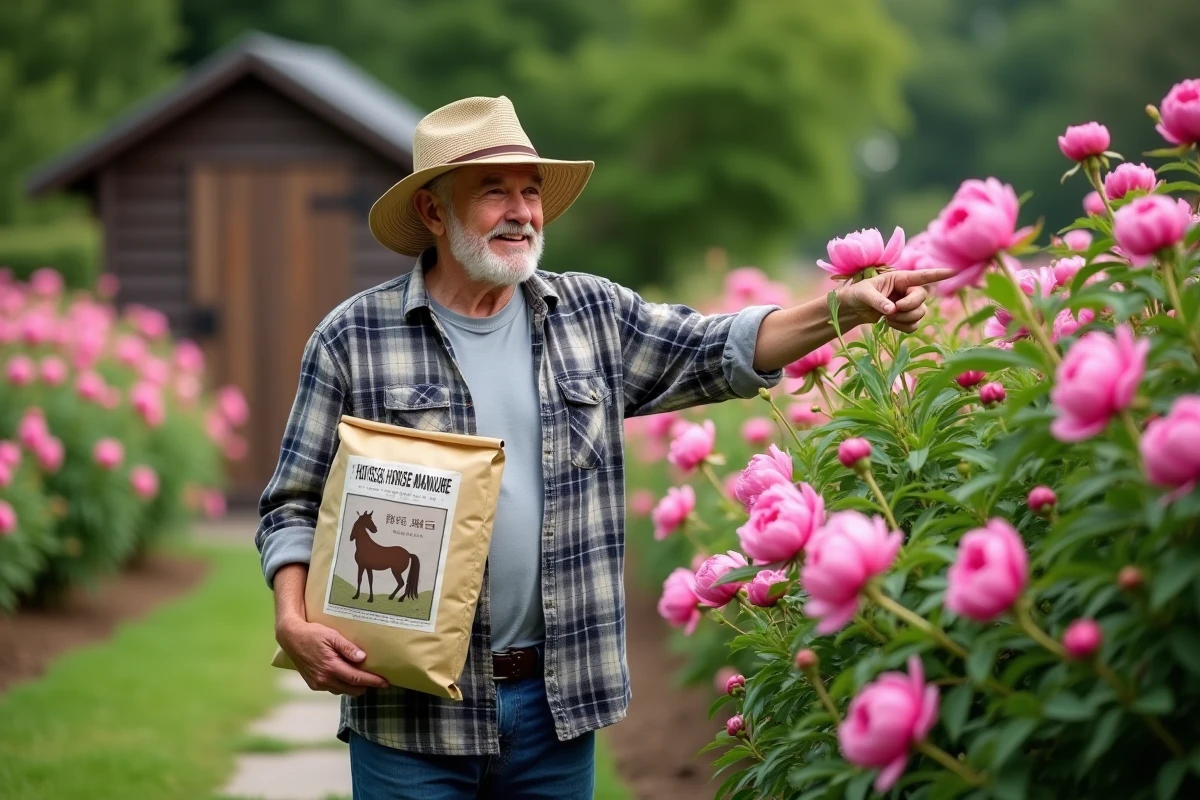
Practical tips to stimulate flowering while avoiding harmful chemical products
Turn your back on synthetic products: composted horse manure remains the simple and effective gesture for a healthy garden, rich in life. Use it around peonies (Paeonia lactiflora) between autumn and early spring, in a thick layer on bare soil, followed by a blanket of dead leaves. This duo energizes the activity of earthworms and microorganisms, pillars of fertile, light, and well-structured soil.
A soil rich in organic matter, well-composed, makes chemical treatments unnecessary. To maintain moisture and slow the appearance of unwanted pests, add a mulch of straw, wood chips, or bark. Peonies find a stable, protective environment that supports the growth of their roots and reduces the shocks related to drought.
If you want to enhance flowering without risking too much nitrogen, often responsible for diseases like powdery mildew or botrytis, add a small amount of bone meal or choose a natural fertilizer low in nitrogen but generous in phosphorus and potassium. Don’t forget to water moderately, prune after flowering, and monitor for the arrival of aphids or slugs. The natural garden does not allow for compromise: here, every action aims for vibrant peonies and respected soil.
To summarize good practices:
- Composted horse manure: the foundation for strong and generous peonies
- Mulch: retains moisture and slows weeds
- Bone meal or natural fertilizer: a targeted boost for more abundant flowers
Throughout the seasons, it will be your peonies that tell the success of this choice, through the strength of their flowering and the evident health of the garden. Nature reclaims its place, quietly but in a striking and lasting way.