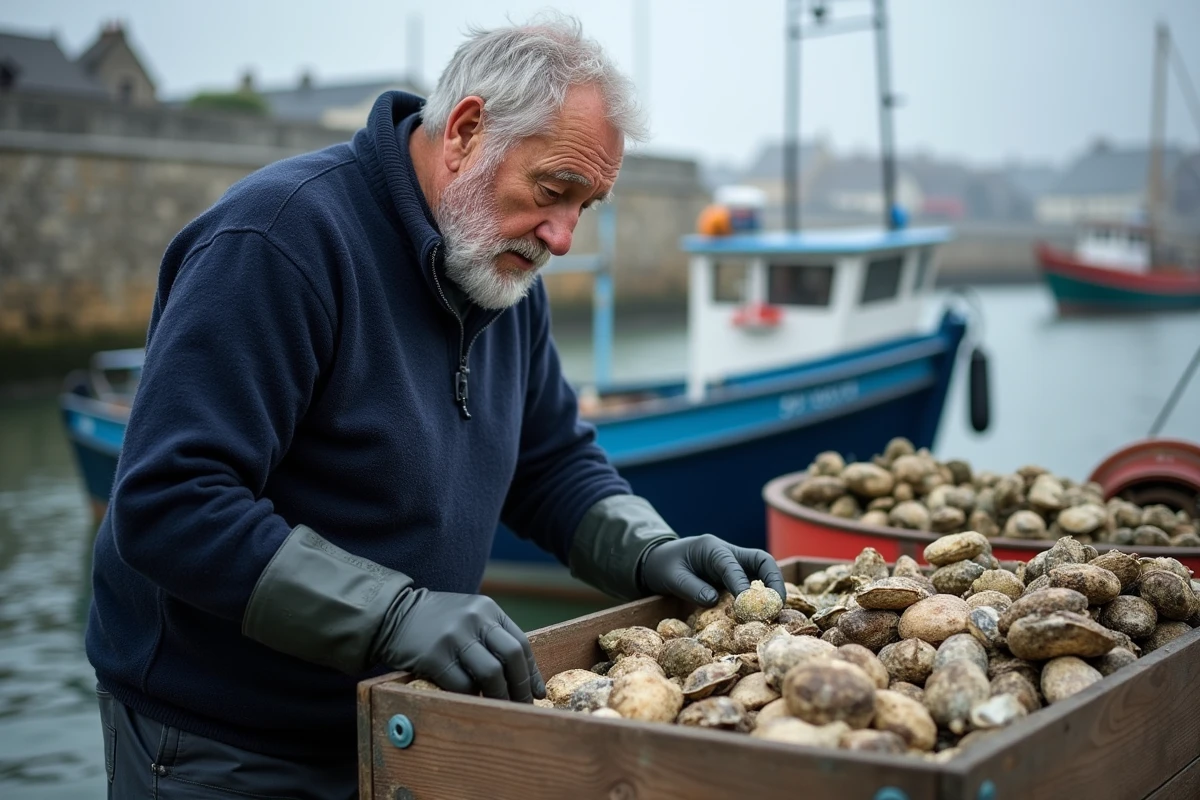
When a Breton artisan decides to age wine in barrels made from oyster shells, we move from folklore to pure experimentation. This type of initiative perfectly illustrates what is happening today in the Breton terroir: dynamic supply chains, products moving upmarket, and intersections between traditional know-how and contemporary techniques. The word “innovation” is now as closely associated with Brittany as salted butter or kouign-amann.
Oyster Shell Barrels and Breton Winemaking: A Technical Bet
In Brittany, winemakers are testing an uncommon approach: using barrels made from oyster shells to age wine. The idea is not a gimmick. The shells, rich in calcium carbonate, alter the chemical exchanges during the wine’s aging and can influence the mineral quality on the palate.
The process remains a calculated risk. As summarized by a sector player quoted by Le Figaro Vin: “It’s a gamble, but also a risk.” Feedback on this point varies, as the first vintages have not yet had the time needed to assess the consistency of results from one year to the next.
What is concrete, however, is the logic of valorizing marine co-products. Brittany produces considerable volumes of oyster shells, often treated as waste. Transforming them into a winemaking material creates an unexpected outlet that aligns with the local circular economy. We closely follow the news from Terre de Breizh to measure how these initiatives are structured over the months.
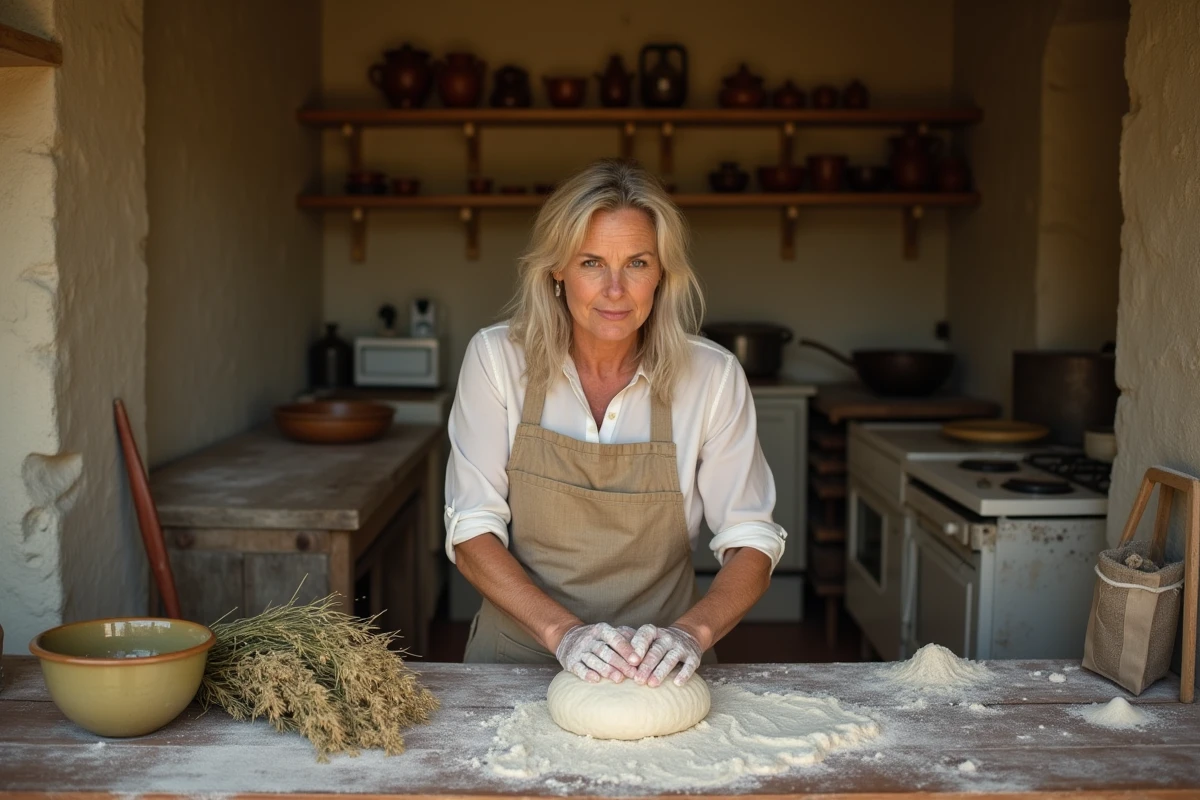
Artisanal Upmarket Movement: The Case of Breton Bakery-Pastry Shop
The Breton terroir is not limited to canneries and creperies. The opening in 2024 of Matéo Lagadic’s bakery-pastry shop illustrates a fundamental movement: combining Breton raw materials with high pastry techniques.
Specifically, we are talking about an artisan who works with Breton butter, buckwheat, and local dairy products, but transforms them using methods borrowed from modern chocolateries and creative ice cream shops. The result is products that do not exist anywhere else, rooted in a territory but liberated from the “rustic” label.
This upmarket movement responds to a real demand. Breton consumers and visitors are looking for artisanal products that go beyond mere food souvenirs. The same dynamic is observed in coastal dining, where establishments like Beau Rivage in Côtes-d’Armor build their menus around local seafood and farm products in short supply chains.
Innovations in the Breton Fisheries Sector
Breton fishing is not escaping the wave of innovation, and perhaps this is where the changes are most structural. The Itechmer trade show, presented by OPCO OCAPIAT as the only international professional trade show in France dedicated to technologies for the fisheries sector, highlights several concrete areas:
- Energy optimization of vessels, a critical issue given the rising fuel costs that directly impact the profitability of Breton fishermen
- Co-product valorization solutions for fishing, to transform processing waste into value-added ingredients (animal nutrition, cosmetics, biomaterials)
- Digital maritime traceability tools, which allow tracking a product from the boat to the plate and meeting the increasing demands of distributors and consumers
These innovations are not theoretical. They address operational constraints that industry professionals face every day: stricter regulations, margin pressure, and demands for transparency from buyers.
How Digital Traceability Changes the Game for Fishmongers
For a Breton fishmonger, being able to prove the exact origin of a batch of fish with a few clicks changes the commercial relationship with large retailers. Brands increasingly demand proof of provenance, and digital traceability is becoming a competitive advantage rather than just an administrative obligation.
We are moving from a system where trust relied on word and reputation to a system where every link in the chain is documented. The tools presented at Itechmer go in this direction, with solutions adapted to field realities (intermittent connectivity at sea, handling with gloves, resistance to saltwater).
Produit en Bretagne Network and Recognition of Food Innovations
The Produit en Bretagne network remains a central player in identifying and promoting innovations from the terroir. During its latest award editions, four Breton food innovations were recognized, a sign that creativity is thriving in the region.
This network does not simply stick a logo on packaging. Its stated mission: to support the economic and cultural dynamics for employment in Brittany. Member companies benefit from collective visibility in over 500 stores during operations like “Cultivons la Bretagne.”
This type of collective structuring makes a difference compared to other French regions where producers remain isolated. In Brittany, networking allows a small butter or cider producer to access shelves they could not reach alone.
100% Breton Jam and Local Partnerships
A telling example: the creation of a fully Breton jam, born from an alliance between Prince de Bretagne and a local processor. Fruits grown locally, processed locally, distributed locally. This type of partnership shows that the Breton terroir works when the sectors communicate, not when everyone works in isolation.
The same logic applies to the Breton vanilla galette, the result of a collaboration between La Trinitaine and Prince de Bretagne. We are far from a marketing product without substance: the ingredients are traceable, and production remains regional.
The Breton terroir in 2025 resembles less a postcard and more an ecosystem of businesses that test, collaborate, and take calculated risks. From oyster shell barrels to maritime traceability tools, the constant remains the same: starting from a local constraint and transforming it into a product or service that no one else offers.