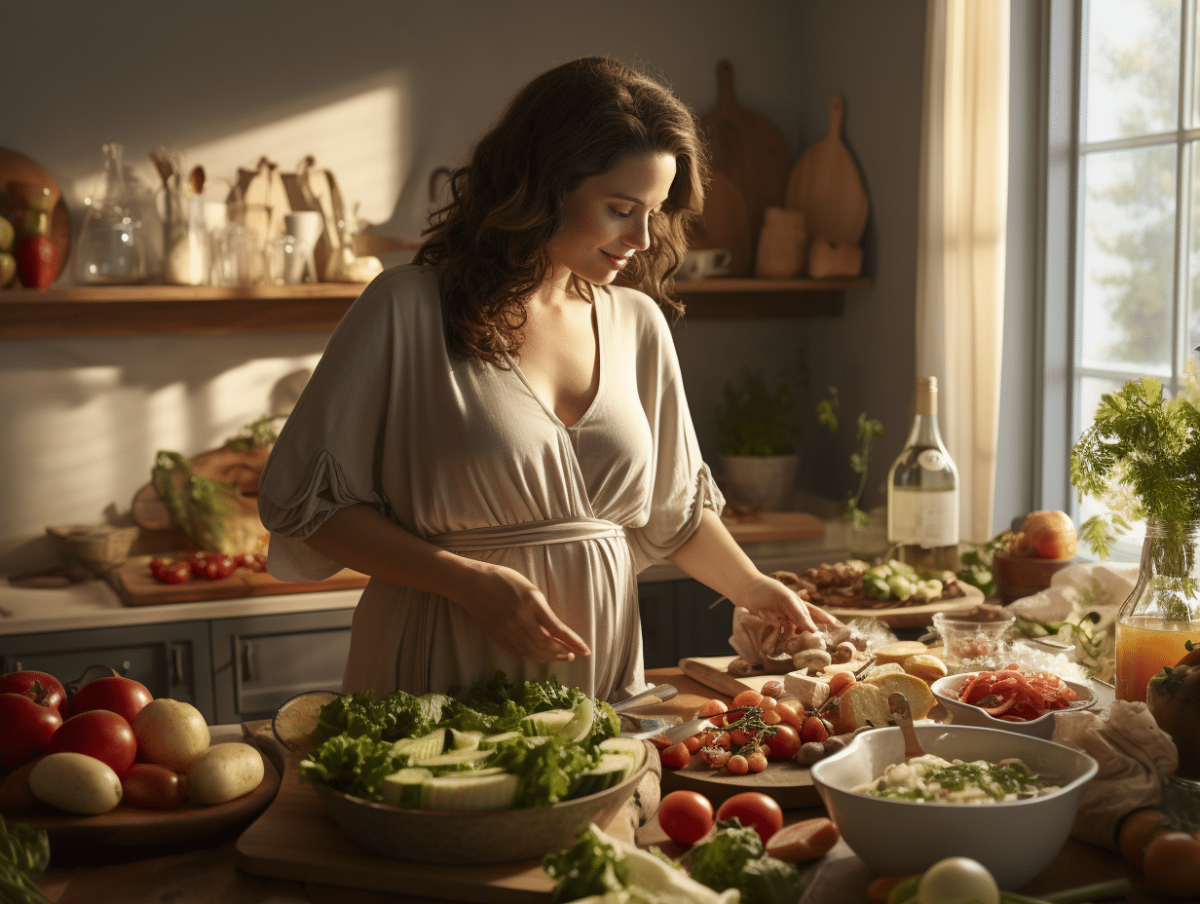
Pregnancy is a period where nutrition plays a fundamental role for both the mother’s health and the baby’s development. The diet must be adapted to avoid certain risks, particularly those related to cheese consumption. Although these dairy products are an important source of calcium and protein, not all cheeses are recommended during pregnancy. The main concern is with soft cheeses and raw milk cheeses that may harbor bacteria such as Listeria, which are dangerous for the fetus. Be sure to distinguish safe cheeses from those to avoid.
The risks associated with certain cheeses during pregnancy
Consuming cheese during pregnancy requires heightened vigilance. Indeed, some cheeses, particularly soft cheeses and unpasteurized cheeses, may contain the Listeria bacteria. This bacterium is particularly dangerous for pregnant women as it can cause serious infections, potentially leading to listeriosis, a disease that can affect the fetus. The risks extend not only to the mother’s health but also to the baby’s development, making dietary precautions not just an option, but a necessity.
Soft cheeses, such as brie or camembert, and more generally cheeses made from raw milk are the primary concerns regarding these health risks. The recommendations are clear: be sure to avoid them or ensure their pasteurized origin. Pregnant women should scrutinize labels and prioritize certified safe products to prevent any exposure to these potentially harmful bacteria.
Regarding parmesan and pregnancy, this variety of hard cheese is generally considered safe as it undergoes an aging process that significantly reduces the presence of pathogenic bacteria. Parmesan, like other hard cheeses, can be consumed during pregnancy, provided it is made from pasteurized milk. Future mothers can thus incorporate this type of cheese into a balanced diet, benefiting from its calcium and protein content, which are essential for the baby’s proper development.
Popular cheeses and pregnancy: what choices for a safe diet?
The cheese dilemma in the diet of pregnant women raises many questions. Finding safe alternatives is an essential step to preserve the baby’s health. Hard cheeses such as comté, emmental, or gruyère, to name a few, offer a reassuring option during this period. Due to their manufacturing process involving high temperatures, they present relevant choices for a balanced and risk-free diet.
Pasteurized cheeses, whether soft or hard, also represent a safe alternative for pregnant women. Pasteurization, by neutralizing bacteria, allows these dairy products to be consumed with peace of mind. Cheeses such as mozzarella, feta, or certain types of pasteurized goat cheese can be included in the diet during pregnancy, as long as their labeling confirms the thermal treatment they have undergone.
Among the essential nutrients, calcium and protein play a key role in fetal development and the mother’s health. Cheese, a preferred source of these nutrients, should therefore be chosen wisely. Consider hard and pasteurized cheeses that provide these nutrients without compromising food safety during pregnancy.
Be aware that diversifying dairy products can complement calcium and protein intake without relying solely on cheese. Yogurt, milk, and enriched plant-based alternatives are complementary options for pregnant women wishing to consume a variety of dairy products. Always prefer products clearly labeled as pasteurized and avoid cheeses sold by the cut or made from raw milk.