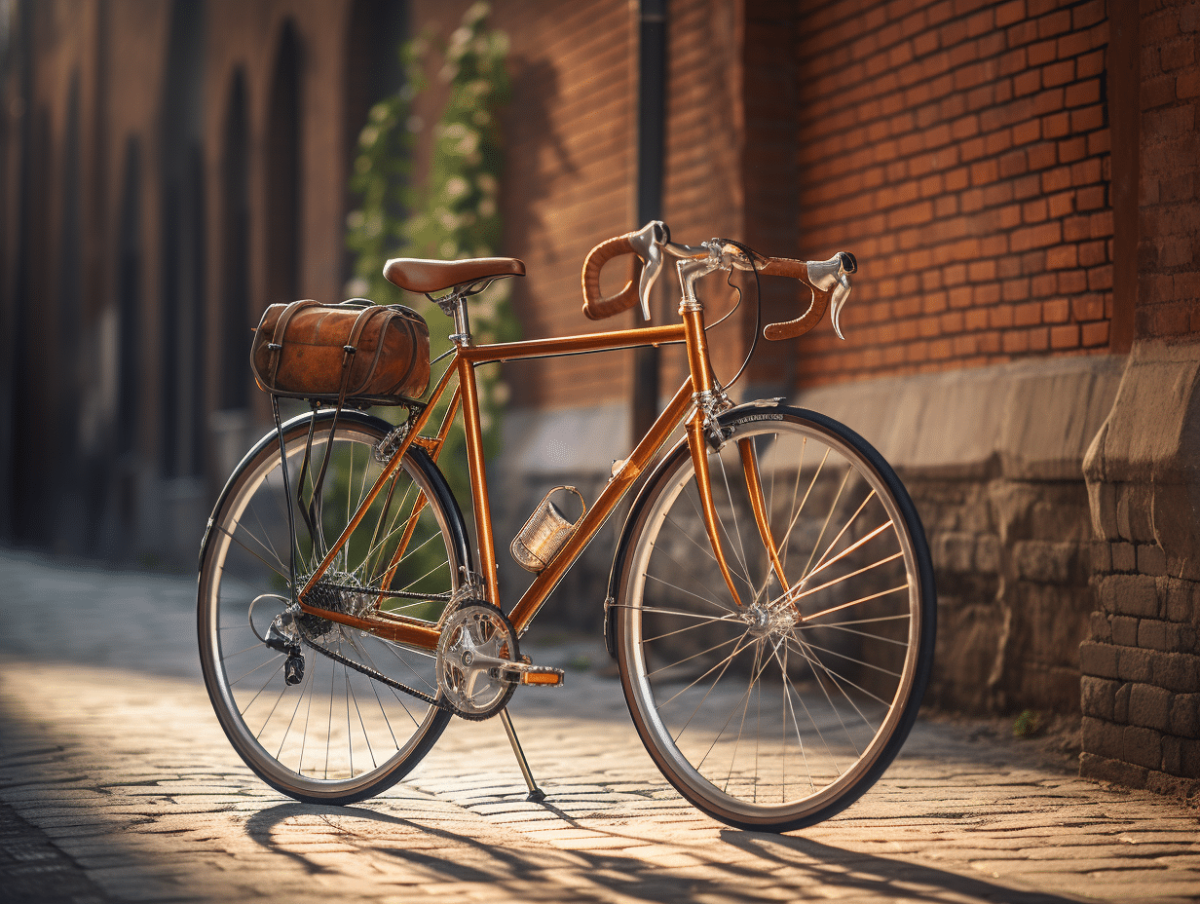
In the world of cycling, the 1970s were marked by iconic figures whose style and achievements remain etched in collective memory. Today, as technological innovations and performance seem to reign supreme, there is a resurgence of interest in the golden age of cycling. Jerseys in bright colors, vintage-designed helmets, and steel bikes, symbols of that era, are resurfacing, attracting both history enthusiasts and retro trend lovers. This nostalgia movement reflects a quest for simplicity and authenticity in a sport that has become ultra-modern.
The Return of the Legends of 1970s Cycling
The 1970s gave cycling legends whose names still resonate in conversations among connoisseurs. Jacques Anquetil, Bernard Hinault, Eddy Merckx, and Miguel Induráin, all five-time champions of the Tour de France, embody a time when character and tenacity defined the racer. Among them, Eddy Merckx, nicknamed ‘The Cannibal’ for his insatiable appetite for victories, dominates the consensus as the greatest cyclist of all time with his 34 stage wins, 96 days in the yellow jersey, and 525 career victories.
The competition was also fueled by fierce rivalries and precarious alliances. Riders like Roger Pingeon, Felice Gimondi, and Luis Ocaña challenged Merckx, while Bernard Hinault, aka ‘The Badger’, found rivals in Joop Zoetemelk, Gerrie Knetemann, and even in his teammate turned rival, Greg LeMond. These sporting contests took place in a less technological but more human context, where strategy and psychology were as crucial as physical condition.
The cycling culture of that time was symbolized by icons such as the Raleigh Chopper, a bike that became a cult classic. While these figures may seem distant today, the stories of their exploits and their unmatched style inspire a cycling revival. Jerseys, gear, and even retro bikes are now coveted by those who aspire to relive the spirit of 1970s cycling, a time when champions were above all men of character, adventurers of the road whose stories continue to pedal through time.

The Impact of Nostalgia on Contemporary Cycling
Contemporary cycling is experiencing a palpable reminiscence of its glory days, a time when the five-time champions of the Tour de France such as Jacques Anquetil, Bernard Hinault, Eddy Merckx, and Miguel Induráin ruled the roads. This nostalgia is not limited to mere reverence for the past but seeps into the very fibers of the current peloton. Take the example of Eddy Merckx, whose 34 stage wins and 96 days in the yellow jersey remain a source of inspiration for the new generation of cyclists aspiring to reach the heights of their illustrious predecessors.
The legacy of Bernard Hinault, nicknamed ‘The Badger’, also transcends time to influence the tactics and fighting spirit of modern cycling. Nostalgia is reflected not only in the veneration of records but also in sports management, where figures like Bernard Tapie made their mark with a leadership style and promotion of the sport that continues to resonate today.
Finally, consider that this nostalgia is not only expressed through stories of past exploits or recognition of historical performances. It materializes concretely in the revival of retro gear and jerseys, in the restoration of vintage bikes, and in the organization of events that celebrate cycling heritage. The Tour de France, the epicenter of cycling legend, thus remains a powerful vector of this collective memory, where each stage, each climb, each sprint awakens the memory of these giants of the past.