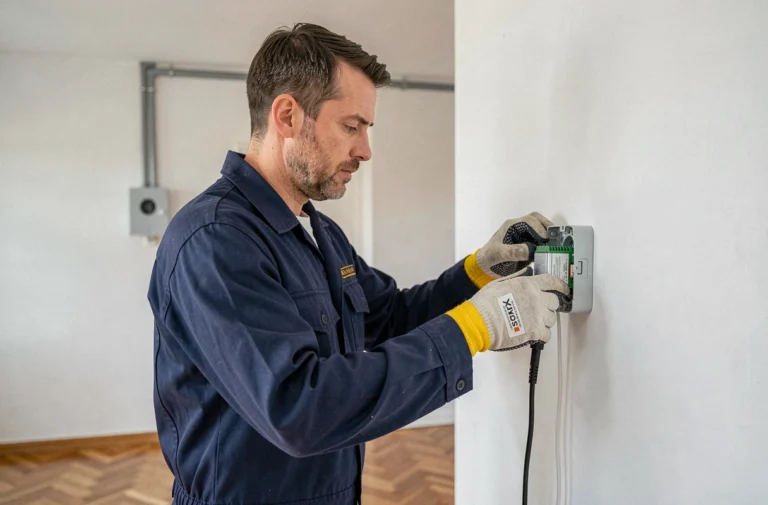
Installing a shelf, filling a crack, replacing a switch: these small everyday projects require neither training nor a huge budget. However, they do require a solid foundation of reliable tools and some appropriate protective gear. The classic beginner’s trap is to buy too much, too quickly, without knowing what will really be useful. It’s better to start with a small core and expand it over time as projects arise.
Battery-powered drill-driver: the first purchase not to miss
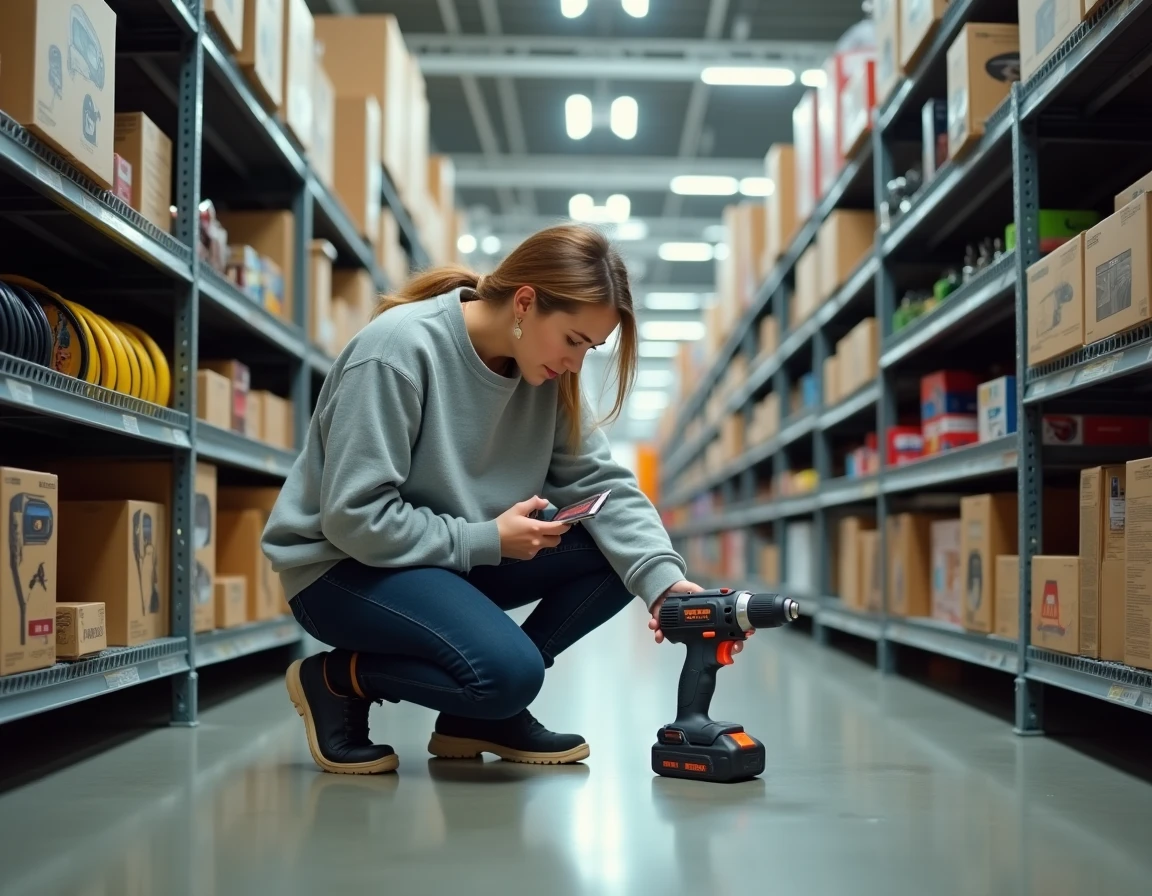
If you could only own one power tool, it would be this one. A cordless drill-driver covers the majority of household tasks: installing a curtain rod, assembling flat-pack furniture, drilling wood or drywall.
Have you noticed that the aisles offer dozens of models ranging from 40 to 300 euros? The key criterion for home use is the torque, expressed in newton-meters (Nm). For screwing into soft wood or drywall, a device around 30 Nm is more than sufficient. Beyond that, you’re paying for power that is only useful for concrete or thick metal.
Opt for an 18 V lithium-ion battery. This format has become the standard among most manufacturers (Bosch, Makita, Milwaukee). The advantage: the same battery can power other tools in the range if you expand your collection later. Also, ensure that the chuck accepts bits up to 10 mm in diameter, which covers almost all common drilling needs.
To complement this initial investment, you can explore the equipment available on Cécile Bricole to compare suitable options for beginners.
Hand tools for DIY: the foundation that never fails
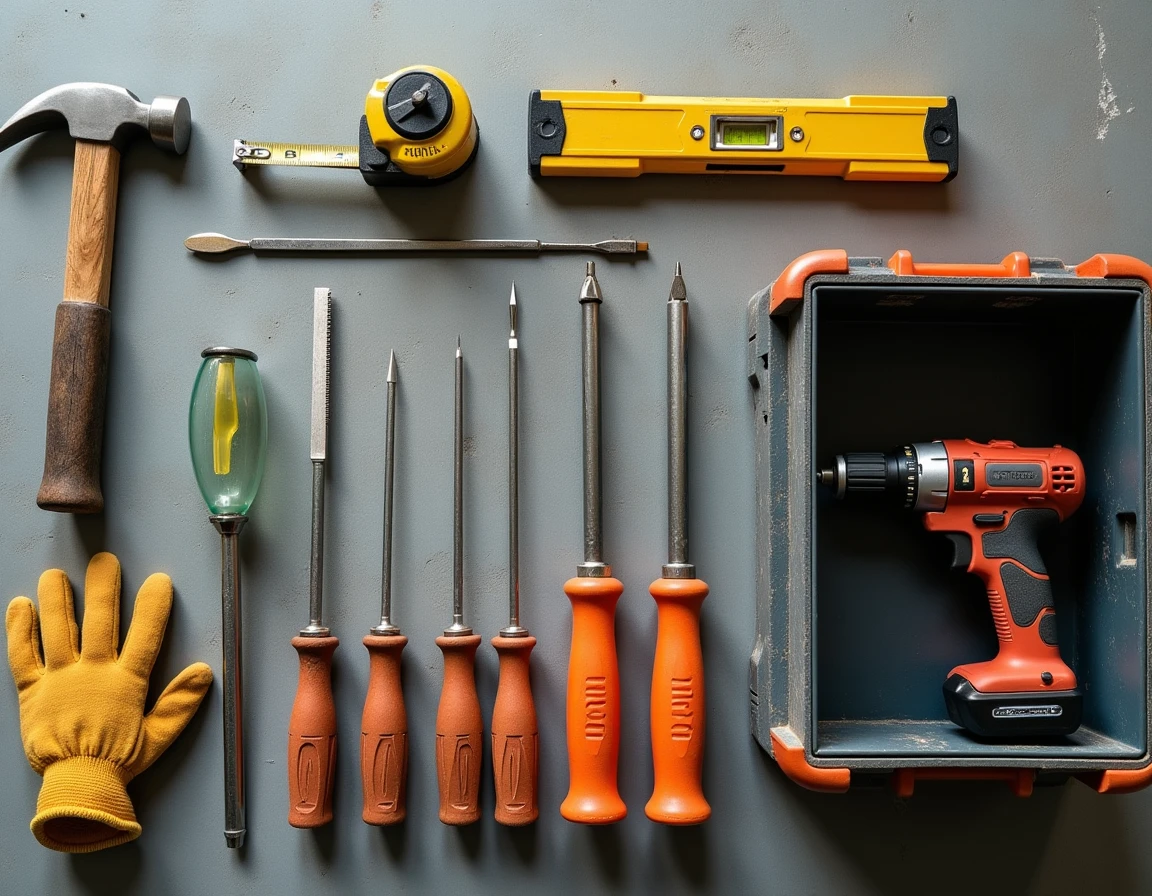
A hand tool doesn’t run out of battery and requires no adjustments. It’s the one you’ll grab first for most quick tasks.
Here’s the essential core to gather before starting your first project:
- A 5 m tape measure and a spirit level of at least 40 cm, because an approximate measurement turns any assembly into a puzzle.
- A set of interchangeable screwdriver bits (flat, Phillips, Torx). A single kit replaces a dozen individual screwdrivers and fits in a drawer.
- A carpenter’s hammer (about 300 g), a pair of pliers, and a retractable blade cutter.
- A medium adjustable wrench, which substitutes for a whole set of flat wrenches for common plumbing tasks.
A common mistake is to buy “100-piece” starter sets. Half of the included tools will never be used, and those that are will break quickly. It’s better to choose each piece individually, even if it means paying a little more per unit.
Consumables to keep in stock
A tool without the necessary consumables is useless when you need it. Always keep a selection of screws (3.5 x 30 mm and 4 x 40 mm cover many situations), wall plugs suitable for your walls (drywall, hollow brick, concrete), a roll of Teflon tape for plumbing, and a tube of acrylic sealant for small finishes.
These supplies are inexpensive and prevent a trip to the store in the middle of a project.
Personal protective equipment for beginner DIYers
Public Health France and the INRS have observed a significant increase in domestic accidents related to DIY during and after the Covid period. Eye injuries, cuts, burns: most of these injuries could have been avoided with basic protective equipment.
Wear safety glasses whenever you drill, sand, or saw. This simple action protects against splinters of wood, metal, or plaster. Models with arms cost a few euros and can fit in a pocket.
For sanding or cutting materials that generate fine dust, an FFP2 mask or a filter cartridge mask is recommended by the INRS. A surgical mask does not filter wood or paint particles. Well-fitting work gloves complete the set: they protect without reducing the dexterity needed for screwing or wiring.
Hearing protection: often overlooked
A jigsaw or hammer drill generates a noise level that, over a session of more than an hour, can damage hearing. Molded earplugs or a lightweight noise-canceling headset are sufficient for occasional work.
Tool rental and sharing: the alternative to over-equipping
In recent years, major DIY retailers in France (Leroy Merlin, Castorama, Brico Dépôt) have developed in-store tool rental services. Hammer drills, table saws, drywall sanders: these expensive machines are sometimes only used once in a homeowner’s life.
Renting a specialized tool often costs less than buying, storing, and maintaining it. It’s also a way to test a type of device before deciding if the purchase is justified. Associations and object libraries offer the same service at a local level, often for a few euros per day.
In practice, the rule is simple: if you think you’ll use a tool less than three times a year, renting or borrowing is the rational choice. Your storage space will thank you.
Building your toolbox is a gradual process. A reliable drill-driver, a handful of well-chosen hand tools, basic consumables, and appropriate protections cover the vast majority of a household’s needs. The rest can be acquired project by project, as real needs arise, not before.